TFP Meaning — The Core Answer
TFP stands for Time for Print — a photography trade where the photographer provides edited images instead of paying the model, and the model contributes their time and likeness instead of charging a fee. No money changes hands. Both sides walk away with portfolio-quality images.
TFP and paid shoots are not two versions of the same thing. One builds your portfolio through creative freedom — no money, no client, no compromise. The other builds your business through paid deliverables — money on the table, expectations high, creative control shared or surrendered. The photographers with the strongest careers use both — TFP to explore, experiment, and attract the work you want; paid to deliver, earn, and grow. Below: the full definitions, when to use each, pricing, and how to find collaborators.
Why This Advice Comes from Real Shoots
This distinction became real for me on my first TFP session, before I even knew the acronym. A model I met through Instagram suggested we "shoot for free, both get images." I showed up with a Nikon FM2n, a 50mm lens, and no idea what I was signing up for. That afternoon in a park — golden hour, one reflector, no team — produced three of the strongest portfolio images I had made to that point. A year later, a fashion brand found one of those images through a hashtag and booked me for a paid campaign.
A few months after that first TFP, I booked my first paid shoot. The model arrived with a makeup artist, three garment bags, and a shot list the client had emailed the night before. Every shutter click felt different — heavier. Someone was paying for results, and the expectation in the room had shifted from "let's make something cool" to "let's make something that delivers." Both shoots taught me something the other could not. I have done both ever since — and the photographers I respect most do the same. But for every photographer who finds the balance, there are ten who never do. Here is what goes wrong when you confuse the two.
What Happens When You Get TFP vs Paid Wrong
Photographers get stuck for years by treating TFP and paid shoots as interchangeable. The cost of getting this wrong is not theoretical — it is measured in wasted weekends, legal exposure, and portfolios that look busy but book nothing. Do TFP without intention and you fill your hard drive with images nobody pays for. Jump to paid too early and you burn leads with a thin portfolio that does not justify your rates.
The worst case is not a bad shoot. It is a shoot that produces good images but creates a problem you cannot fix later — TFP images used commercially without a signed model release, paid work where the client refuses to pay because deliverables were not written down, a model who agreed to «free» then demands payment when your Instagram post goes viral. These are not rare edge cases. Every photographer I know who has shot for more than two years has at least one of these stories. The photographers who avoid them are not luckier. They structure every shoot — free or paid — around a few simple rules that prevent the disaster before the shutter fires. This article gives you those rules. But before the rules, you need the definitions. Most mistakes start with a misunderstanding of what TFP and paid actually are — so let us lock those down first.
What is TFP Photography — The Full Definition
TFP (Time for Print) is a photography trade where the photographer provides edited images instead of paying the model, and the model contributes their time, posing skill, and likeness instead of charging a fee. No money changes hands — both sides walk away with portfolio-quality images they can use on social media and in self-promotion.
The term is a holdover from the film era, when photographers literally traded darkroom prints for a model's time. Today, TFP almost always means digital files — a negotiated number of edited, high-resolution images delivered within an agreed timeframe. The core principle has not changed: it is a trade of creative labor, not a gift and not a favor. The best TFP collaborations feel like a partnership between two artists building something neither could create alone.
TFP is not the same as "working for exposure." Exposure is a vague promise that your name will reach someone who might hire you. TFP is a specific exchange with a specific output — edited images you can use immediately to book better work. The distinction matters because photographers who confuse the two end up shooting for free with no portfolio return, which benefits nobody. Now let us look at the other side of the equation — the kind of shoot where money actually changes hands.
What is a Paid Shoot — How Professional Photography Jobs Work
A paid photography shoot is a session where money changes hands in exchange for a defined set of deliverables. Either a client hires the photographer and pays their rate, or the photographer hires the model and pays for their time. A paid shoot runs on a contract, a rate, and specific images or assets the client expects to receive — whether for a campaign, a product launch, or a portfolio refresh.
Payment structures vary by market and project type. The most common models: hourly rates for short sessions and test shoots, half-day and full-day rates for commercial and fashion work, and flat project fees negotiated upfront for campaigns with a defined scope. Commercial licensing adds a second layer — the usage rights the client buys — which is often negotiated separately from the shoot day rate.
Paid shoots raise the stakes in one way that matters more than money: accountability. When someone is paying for your work, you show up earlier, prepare more thoroughly, and deliver more reliably. That pressure is not always comfortable, but it sharpens your craft faster than a year of casual TFP afternoons.
TFP vs Paid Shoots — Comparison Table
The difference between TFP and paid is not just about money. It is about who has creative control, who carries the risk, and what you walk away with when the shoot ends. Both formats have a place in a working photographer's career — but only when you use each one for what it is good at.
| Factor | TFP Shoot | Paid Shoot |
|---|---|---|
| Money | No payment — trade of images for time | Photographer, model, or client pays |
| Creative control | Photographer leads — full artistic freedom | Client or model may dictate direction |
| Risk tolerance | High — you can experiment and fail | Low — the deliverable must meet expectations |
| Portfolio impact | Builds the book you want to have | Builds the book clients pay you to make |
| Model commitment | Variable — no-shows and flakes happen | Higher — money creates accountability |
| Team size | Usually 2-3 people — photographer, model, maybe an MUA | Often 5+ — stylist, MUA, art director, client rep |
| Usage rights | Shared — both parties use for portfolio and self-promo | Defined by contract — often client retains rights |
| Legal paperwork | Model release is non-negotiable — even without money | Contract + model release + sometimes an NDA |
Should You Do TFP or Charge? — Decision Table
| Your Situation | Do TFP | Charge |
|---|---|---|
| Fewer than 20 strong portfolio images | ✅ Primary focus | ❌ You'll burn leads |
| Testing a new style or niche | ✅ Experiment freely | ⚠️ Only if client accepts the risk |
| Inquiries reference specific work | ⚠️ Selective — only exceptional concepts | ✅ Time to charge market rates |
| Calendar is full of TFP | ❌ You're leaving money on the table | ✅ Raise your rates |
| Client refuses to sign a release | — | ❌ No paperwork, no shoot |
Every photographer I know who has been burned on a shoot — images used without permission, a model demanding payment after the fact, a client refusing to pay because deliverables were not spelled out — skipped one of these distinctions. The differences between TFP and paid are not subtle, but they are easy to ignore until they cost you. So when should you actually choose one over the other? Start with TFP — it is the right tool for very specific jobs and a complete waste of time for everything else.
When TFP is the Right Move — and When It Is a Waste of Time
TFP works when you have a clear gap in your portfolio and a specific model whose look fills that gap. Shooting TFP with intention — "I need beauty portraits for my website, and this model's aesthetic matches my target clients" — produces images that directly lead to paid bookings. Shooting TFP because you are bored produces hard drive clutter.
TFP shoots are worth your time when:
- You are testing a new lighting style, location type, or creative concept that has no paying client yet.
- Your portfolio needs variety — different skin tones, different aesthetics, different genres — to attract the clients you want.
- You are entering a new niche (fashion, beauty, editorial) and need 10-15 strong images before you can credibly pitch paid work in that space.
- You find a model whose look genuinely excites you and the collaboration feels like it will produce work neither of you could make alone.
TFP is a waste of time when:
- You are shooting with anyone who is available just to fill a Saturday afternoon.
- The model has no clear aesthetic or portfolio direction — if they do not know what they want, the images will be aimless.
- Your portfolio is already strong and you are turning down paid inquiries to make room for free shoots.
- The model has a history of no-shows, late cancellations, or ghosting after receiving images — ask around before committing.
Once TFP has done its job and your portfolio starts pulling in real inquiries, the math flips. Here is when paid work becomes the priority — and when a check is not worth the chaos that comes with it.
When Paid Shoots Are Essential — and When the Money Is Not Worth the Headache
Paid shoots become essential once your portfolio is strong enough to attract clients who are willing to pay for it. The transition point is different for every photographer, but the signal is unmistakable: people start asking about your rates before they ask about your availability. When that happens, you have crossed the line from "building a book" to "running a business." SLR Lounge's photography business resources offer practical guidance on pricing, contracts, and client relationships for photographers making this transition.
Prioritize paid work when:
- You have 20+ portfolio images that accurately represent the work you want to book more of.
- Incoming inquiries reference specific images in your portfolio — they are not just asking "do you shoot portraits?" but "can you create something like the series you did with the red backdrop?"
- You are turning down TFP offers because your calendar is already full.
- You want to upgrade gear, rent a studio, or invest in marketing — photography does not fund itself on goodwill.
Paid shoots are not worth the headache when:
- The client's budget is so low that after expenses (studio rental, assistant, equipment) you are effectively working for free — but without the creative freedom TFP offers.
- The client refuses to sign a contract and a model release — no paperwork means no shoot, at any price.
- The scope keeps creeping: what started as "10 edited images" balloons to "also can you shoot behind-the-scenes video, retouch all of them, and deliver by tomorrow?" Scope creep on a flat fee erases your effective hourly rate.
- The creative brief contradicts your portfolio — a client who hires you for your moody editorial style and then asks for bright, over-lit e-commerce shots will not be happy with the result, and neither will you.
There is one thread that runs through every section so far — TFP or paid, beginner or established — and if you ignore it, none of the strategy above matters. That thread is paperwork. Specifically: the model release.
The Model Release Question — Why Paperwork Matters on Every Shoot
A model release is a legal document that grants the photographer written permission to use a person's likeness for commercial purposes — portfolio display, stock photography submission, social media promotion, and print licensing. Whether the shoot is TFP or paid, if a recognizable person appears in the frame, you need a signed release before using those images for anything beyond personal, non-commercial display. This is the legal boundary between "images you took" and "images you can use."
A model release is not optional on any type of shoot. Without one, the model retains the right to revoke permission at any time. I have heard from photographers who built entire marketing campaigns around TFP images only to have the model demand the photos be taken down a year later. No release, no recourse.
For TFP shoots specifically, the release also functions as a written record of the trade agreement. It documents what each party receives — the photographer gets usage rights, the model gets a defined number of edited images — which eliminates the "you said I'd get 20 photos" argument that poisons so many TFP collaborations. A good model release takes five minutes to sign and prevents months of headaches.
On paid shoots, the release is typically one document in a larger contract package that also covers payment terms, usage rights scope, cancellation policies, and deliverable timelines. But the release itself is not optional on either type of shoot. We built SnapSign to make this step fast — open the app, select a template, fill in the shoot details, and hand the phone to the model for an on-screen signature. On a TFP shoot in a park, you are not pulling out a clipboard and a pen. You are handing over a phone for 30 seconds. The model signs. Done.
A model release covers image usage rights — where and how you can use the photos. But for a TFP shoot, you also need a broader agreement that covers the practical stuff the release does not address: how many images, who edits them, when they arrive. The release protects you legally. The TFP agreement protects you from awkward conversations. You need both.
What a TFP Agreement Should Include — A Practical Checklist
A TFP shoot without a written agreement is a misunderstanding waiting to happen. You do not need a lawyer to draft one — an email confirmation or a one-page document that both parties acknowledge is enough to prevent the vast majority of TFP disputes.
Every TFP agreement should cover these six points:
- Number of final images. Industry standard for a 2-3 hour session is 5-10 fully edited images per look or setup. Agree on a specific number — "I'll send you the good ones" is the most common source of TFP tension.
- Who edits. The photographer edits. If the model wants to apply their own edits, agree on that before the shoot — a model running a preset over your carefully graded images is a fast route to resentment.
- Delivery timeline. Two to three weeks is standard. If you need longer, say so upfront. Models who have been burned by photographers who never delivered will appreciate a date they can count on.
- Usage rights for the photographer. State explicitly: portfolio, website, social media, print promotion, stock photography submission. The broader the usage, the more value the shoot holds for you long-term.
- Usage rights for the model. Models typically receive rights for portfolio and self-promotion. Specify whether they can sell prints, license the images, or submit them to publications — these are separate rights that should be negotiated explicitly.
- Cancellation policy. What happens if it rains? If the model cancels two hours before? If you cancel? A simple "either party can reschedule with 24 hours notice" clause removes the anxiety from last-minute changes.
Once you have the agreement locked in, the next question is obvious: what do you charge? It is also the question photographers dodge most. Here is a straight answer.
How Much Should You Charge — A Realistic Pricing Guide for Photographers
Pricing is the question photographers ask most and answer least honestly. Rates vary dramatically by market, genre, and experience level, but here is a framework that works across most markets:
| Career Stage | Portfolio Status | TFP Strategy | Paid Rate Guidance |
|---|---|---|---|
| Beginner | Fewer than 20 strong, publishable images | Primary focus — shoot 2-3 TFP sessions per month with specific portfolio gaps in mind | Not yet — a thin portfolio at a price tag burns leads faster than it converts them |
| Intermediate | 20-50 images; inquiries reference specific work | Selective — only when the model or concept is exceptional | $75-150/hr or $400-800/half-day for portrait and fashion work |
| Established | 50+ images; booked through referral, not outreach | Rare — personal projects only, and usually with agency-represented models | $150-300/hr or $1,000-2,500/day for commercial work; usage licensing separate |
These numbers are directional, not universal. A portrait photographer in a mid-sized city will command different rates than a fashion photographer in a major market. The principle is what matters: your rate should increase as your portfolio improves and as demand for your time exceeds your capacity to fill it with TFP. If you are booked three weeks out on paid work, it is time to raise your rates — not fill the gaps with free shoots.
Of course, charging only works if you have people to shoot with. Whether you are doing TFP to build your book or booking paid clients, you need a pipeline of collaborators. Here is where the best ones actually come from.
Finding TFP Collaborators — Where the Best Matches Actually Happen
The photographers who consistently find strong TFP collaborators do not post "TFP — any models available?" threads. They do targeted outreach to specific models whose work they genuinely admire. The difference in response rate and quality of collaboration is dramatic.
The platforms that produce the best TFP matches, based on my experience and conversations with photographers across markets:
- Instagram. Still the primary discovery tool for model-photographer collaborations. Search location tags and hashtags for models in your area. DM with a specific pitch — reference an image of theirs you like, share a mood board, explain why their look fits your concept. Generic "let's shoot sometime" messages get ignored.
- Local Facebook photography and modeling groups. City-specific groups ("Chicago Models & Photographers," "Berlin Fashion Photography") are active hubs for TFP casting calls. The quality varies — you will scroll past a lot of noise — but the photographers who post clear concepts with example images consistently find collaborators.
- Model Mayhem. The platform has declined in activity compared to its peak, but it still hosts an active TFP community with built-in portfolio browsing and casting call tools. Industry guides like Format Magazine's TFP photography guide and community norms that platforms like Model Mayhem established — clear expectations, mutual respect, no exploitation — remain the standard.
- Referrals from past collaborators. After a successful TFP shoot, ask the model if they know other models whose aesthetic would complement your work. Models in the same market know each other. A warm introduction from someone who had a good experience with you converts at a far higher rate than cold outreach.
Red Flags — When to Walk Away from a TFP or Paid Shoot
Walking away from a bad shoot before it happens is a skill that saves you years of frustration. The red flags are consistent across TFP and paid work, and experienced photographers learn to spot them in the first exchange.
For TFP collaborations, the biggest warning signs: the model cannot articulate what kind of images they want for their portfolio — if they say "anything is fine," they have not thought about the collaboration and will not show up prepared. The model has no recent work to show — not necessarily a dealbreaker with newcomers, but a model with zero images and zero references is an unknown quantity. The model asks you to travel an hour to their preferred location without offering to split travel costs or meet halfway — effort asymmetry before the shoot predicts effort asymmetry during it. Photographers who consistently do TFP work echo the same frustrations — flakes, unclear expectations, and poor vetting are the top reasons collaborations fail, as covered in Digital Photography School's guide to TFP shoots.
For paid shoots, the red flags are different but equally consistent: the client negotiates aggressively on price before you have discussed the creative brief — price-first clients are rarely happy with the result, because they are buying cost, not quality. The client refuses to sign a contract or a model release — no signature, no shoot, no exceptions. The brief changes every time you talk — a client who cannot commit to a direction on Tuesday will not commit to deliverables on delivery day.
One flag is universal across both formats: the other party is difficult to reach before the shoot. If it takes three days to get a reply during the planning phase, it will take three weeks to get a reply when you are trying to schedule the delivery. Spotting these flags early is what separates photographers with a clean, profitable roster from those who spend half their time chasing ghosts. Now for the bottom line.
Final verdict — TFP vs Paid Shoots
TFP builds your book. Paid builds your business. The photographers with the strongest portfolios and steadiest income use both — TFP to explore, experiment, and attract the work they want; paid to deliver, earn, and grow. The mistake is not choosing one or the other. The mistake is drifting into either without a clear reason. Every shoot — free or paid — should move your career forward. If it does not, you are not collaborating. You are passing time. And time is the one resource you cannot get back, whether money is on the table or not.
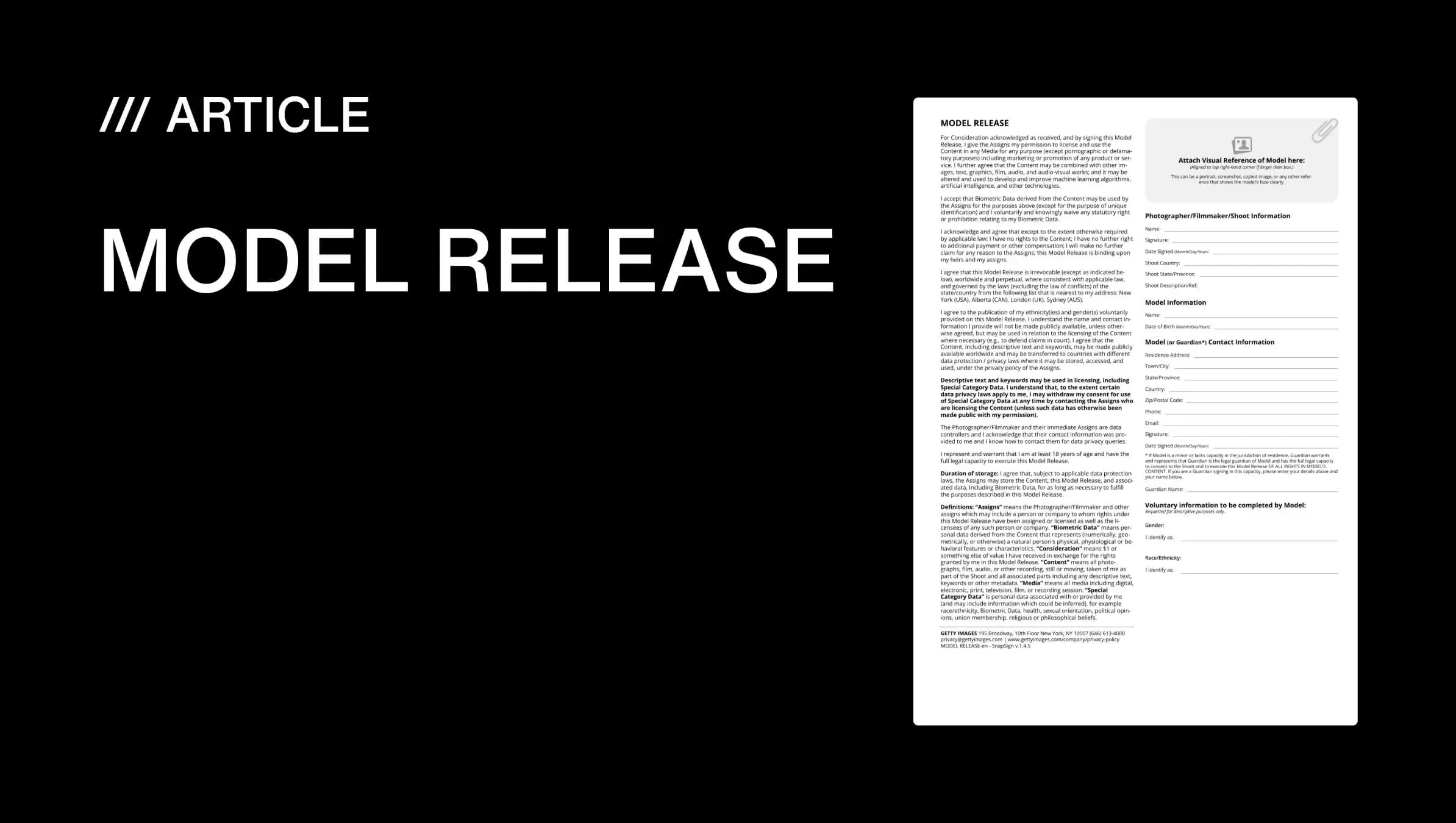
Download a free model release form for TFP shoots (PDF)
A blank model release covering unpaid TFP collaborations: no fee changes hands, but the usage grant and the signature still do. Free to download, or send it for signing in the app.